Protect your family’s most vital health with the next frontier of neurological care. TraveCure provides access to elite neurosurgical centers utilizing Robotic-Assisted Navigation (StealthStation) and “autopilot” precision for complex brain and spine conditions. From life-changing Deep Brain Stimulation (DBS) for Parkinson’s to Awake Craniotomies that preserve speech and movement, our partners prioritize surgical safety and functional recovery.
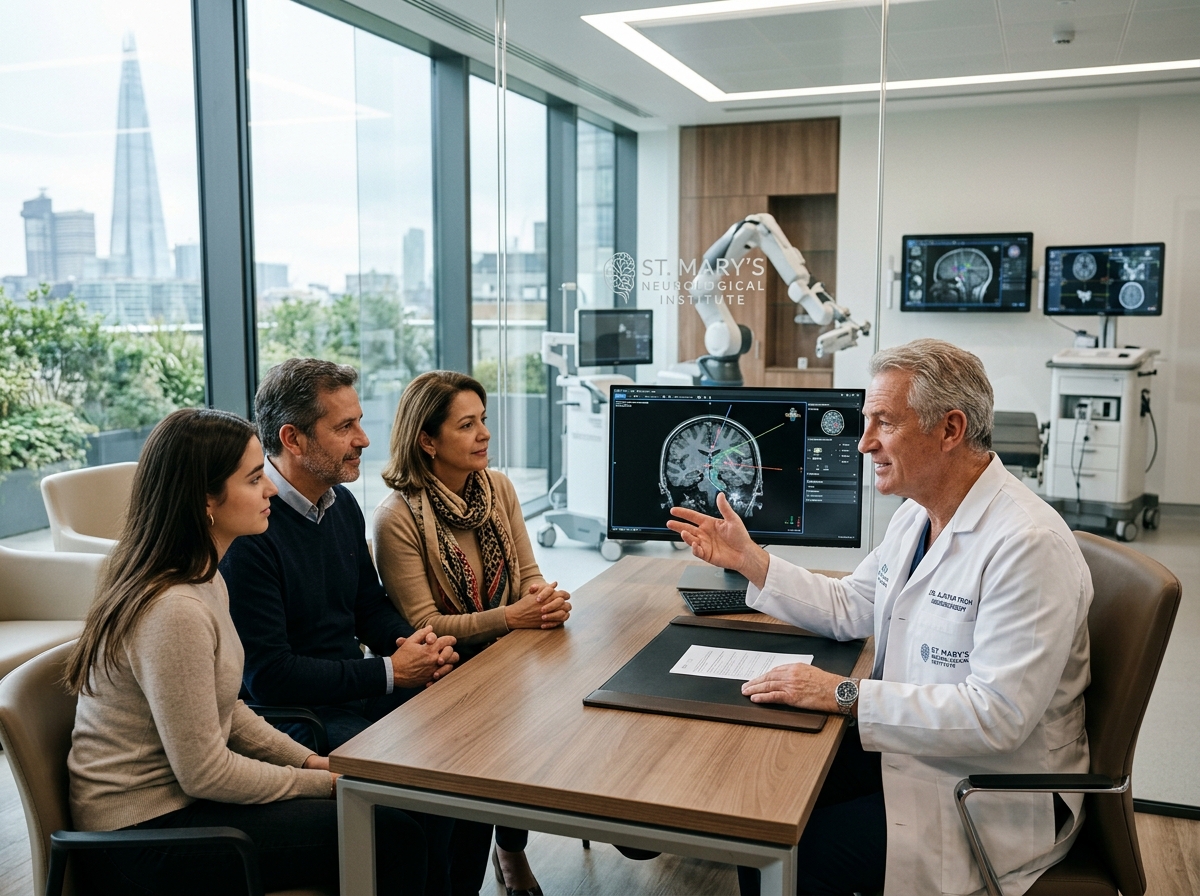
Neurosurgery represents the pinnacle of medical precision, and at TraveCure, we offer access to the world’s most advanced neurological centers. Our partner hospitals feature robotic-assisted navigation systems like StealthStation, high-definition intraoperative imaging, and specialized teams performing Awake Craniotomies and Deep Brain Stimulation — ensuring surgical safety, functional preservation, and exceptional outcomes.
Whether you need a complex brain tumor resection, minimally invasive spine surgery, or specialized pediatric neurosurgical care, we walk beside you from initial consultation through complete recovery.
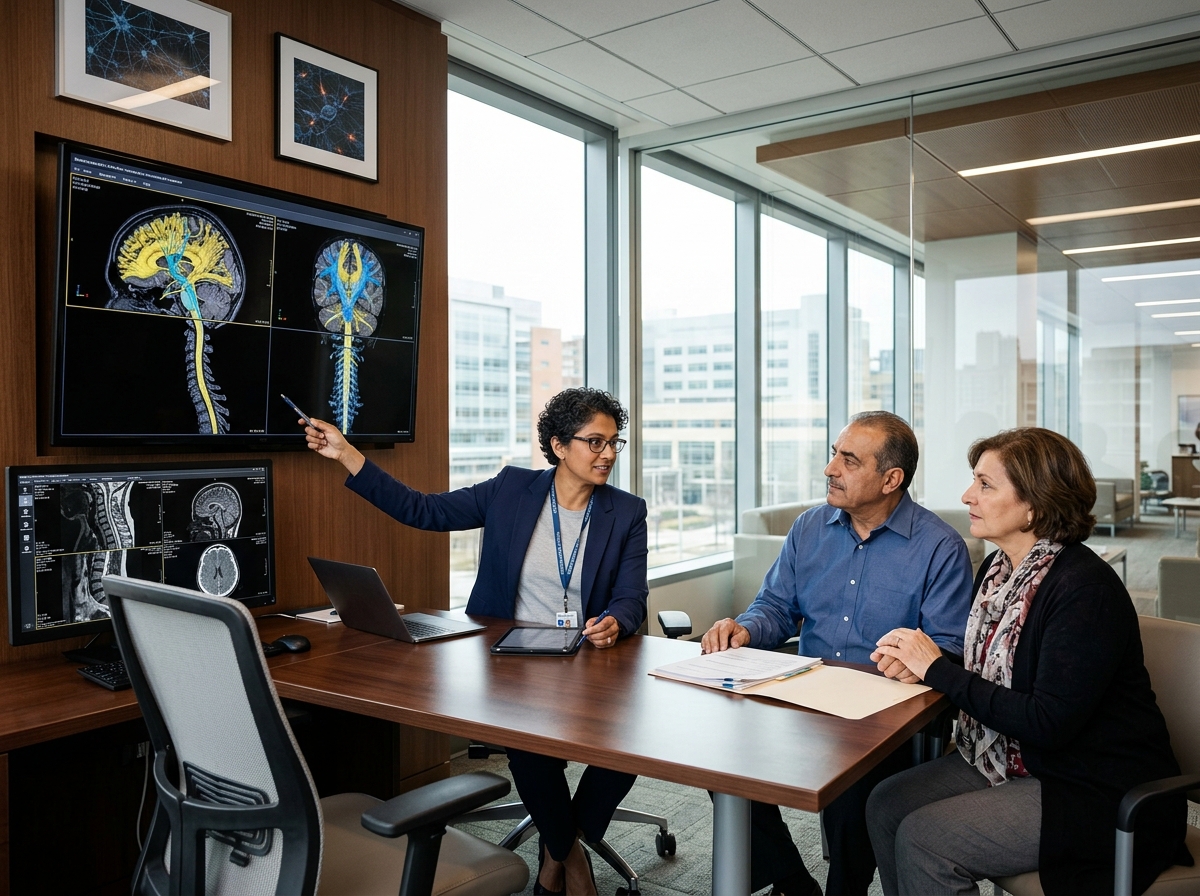
StealthStation navigation and “autopilot” precision for sub-millimeter accuracy in complex brain and spine procedures.
All partner hospitals meet Joint Commission International standards — the global benchmark for quality and safety in neurosurgical care.
Total financial transparency — all medical payments go directly to the treating hospital with no middleman markup.
Our network of JCI-accredited hospitals offers the full spectrum of advanced neurological and spinal care.
Using high-definition navigation to treat complex brain conditions with maximum safety.
A specialized technique where the patient is conscious during part of the surgery. This allows surgeons to map and protect vital areas responsible for speech and movement while removing tumors.
Often called a “brain pacemaker,” this procedure involves implanting electrodes to treat tremors and symptoms of Parkinson’s Disease.
Utilizing the latest navigation systems (like StealthStation) for “autopilot” precision during tumor resections and biopsies.
Removing tumors (like Pituitary tumors) through the nose or small natural openings, avoiding large incisions and speeding up recovery.
High-precision “clipping” or “coiling” to treat brain aneurysms and Arteriovenous Malformations (AVMs) to prevent or treat strokes.
Treating everything from chronic back pain to complex spinal deformities.
Using “keyhole” incisions to treat slipped discs or spinal stenosis, resulting in minimal blood loss and patients often walking the same day.
An ultra-minimally invasive procedure to remove herniated disc material using a tiny endoscope.
Expert surgical correction for Scoliosis and Kyphosis in both adults and children.
Implanting a device that sends low-level electricity to the spinal cord to block chronic pain signals before they reach the brain.
Replacing a worn-out spinal disc with a high-tech implant to maintain natural neck or back mobility.
Restoring quality of life for patients with drug-resistant neurological conditions.
Identifying and removing the specific “focus” area in the brain where seizures originate (Vagal Nerve Stimulation is also available).
A life-changing surgery for Trigeminal Neuralgia that relieves pressure on nerves to stop severe facial pain.
Procedures designed to improve “function” rather than just treating a physical lesion, including treatments for spasticity and chronic pain.
Specialized care for the developing nervous systems of children.
Using “Shunts” or Endoscopic Third Ventriculostomy (ETV) to drain excess fluid from the brain without permanent implants.
Surgical correction of an infant’s skull bones that have fused too early, allowing for normal brain growth.
Complex microsurgery to treat congenital spinal cord defects in newborns.
We provide more than surgical access — we deliver a complete ecosystem of support for your neurological journey.
Robotic-assisted navigation systems for “autopilot” accuracy during complex brain and spine procedures, minimizing risk and maximizing safety.
Awake craniotomy and DBS techniques prioritize preserving speech, movement, and quality of life — not just treating the condition.
Your personal care coordinator manages every detail — from pre-op consultations to post-discharge neuro-rehabilitation planning.
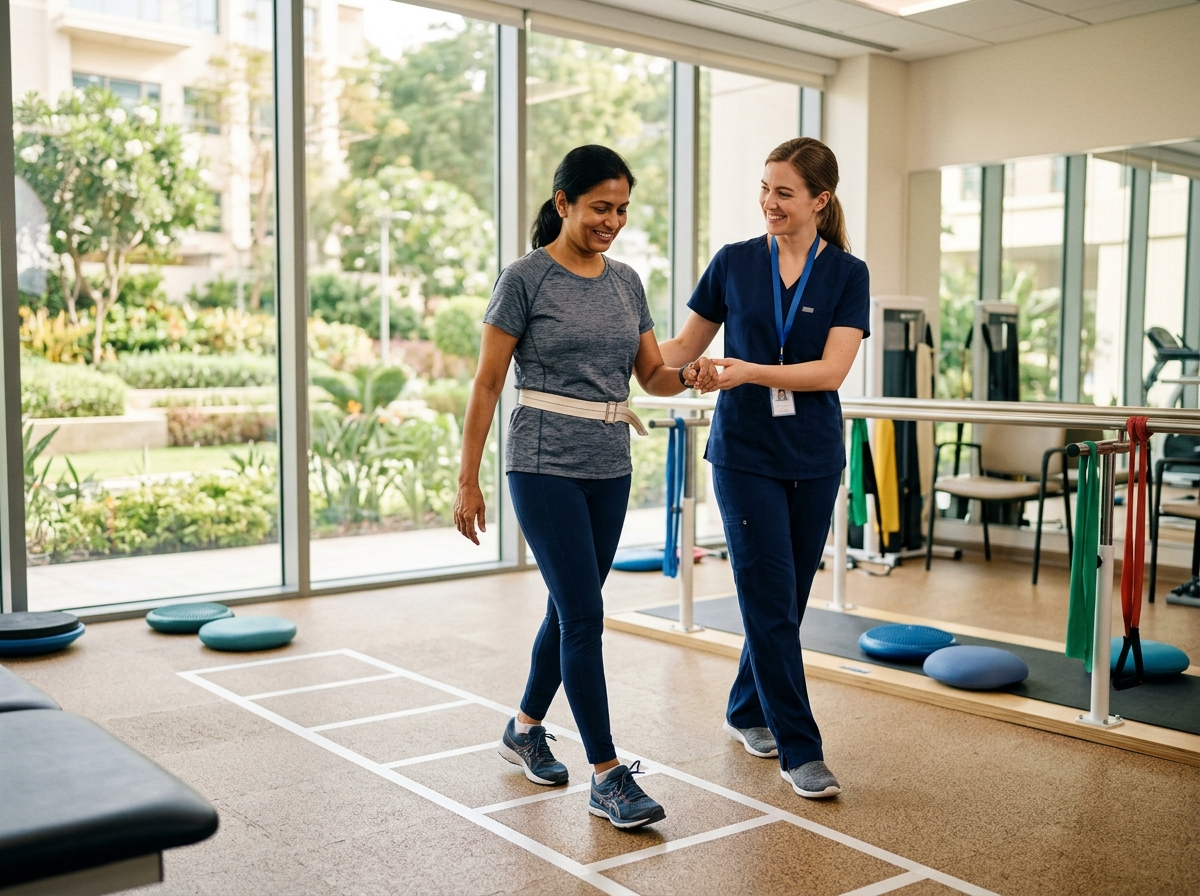
Neurosurgery is only half the battle; the “Beyond” is the recovery. Our patients have immediate access to specialized Neuro-Rehabilitation. This includes physical, occupational, and speech therapy integrated into the hospital stay to ensure you regain your strength and independence before you fly home.
Connect with our neurosurgical specialists for a complimentary case review. No obligation — just clarity, options, and expert guidance.